
As promised, here are a few more photos I’ve been taking lately. Not all of them are birds, but I did purchase a new Canon RF-S 100-400 mm USM IS lens, and it is magical. I’ve been shooting with Canon for about 25 years, having switched from Nikon when I made the move to digital. Yes, I’ve been shooting since before digital was a thing. In fact, it’s been 40 years ago last week since I bought my very first serious camera – a Pentax K1000. I loved that camera, and took many photos with it, but alas, my ex-husband pawned it without my knowledge.

That was a long time ago, and now I shoot with the Canon R7 camera body. Like I said, I switched from Nikon to Canon when I went digital, because at the time, Canon was lightyears ahead of Nikon. When I bought the R7, I had a lot of money tied up in EF lenses, so I continued to use those with a converter. It worked quite well, until I bought the 100-400 mm lens. This is the first RF lens I’ve purchased, and all I can think is, why did I wait so long?!

The R7 combined with the RF lenses is how photography should be these days. This is the glass I wish I’d always had, and that’s saying something. And why do I wish I’d had this glass from the beginning? Because these new mirrorless cameras and their lenses are magical. They do not “hunt” when trying to autofocus! I guess I should say they don’t hunt a lot, because on occasion, it can help, but this lens is an electronic focus, not a mechanical focus, so it’s faster, easier and super quiet.
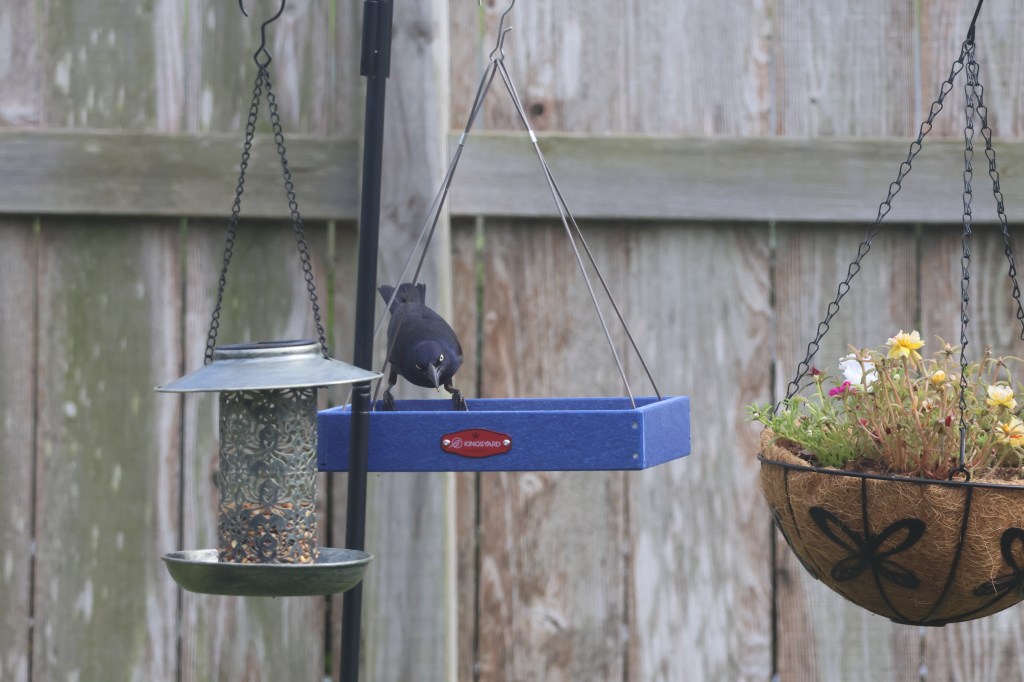
When you’re trying to shoot wildlife, a quiet set up can be the difference between getting a great shot and getting no shot at all. The focusing mechanism is incredibly fast, especially in servo mode, so you capture more shots than you miss.

My favorite thing is that RF lenses are light, much lighter than any of their EF counterparts, as is the camera body. When the two are combined, it is much lighter feeling than a comparable EF body and lens, which means you’re going to take more photos. The 60D body with a 28-135mm lens weighs nearly three pounds, while the R7 body with the 24-105 mm lens weighs in at just about two pounds.
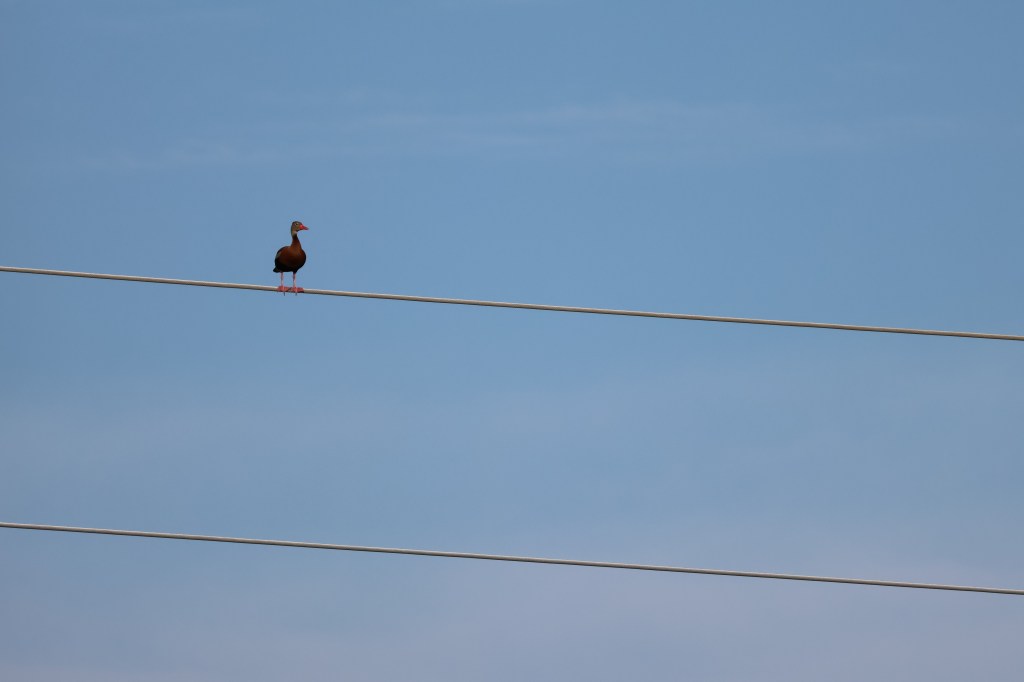
I’ve been doing some test shooting with the lens, as you can see from these photos, and it’s working well. So well, in fact, that I ordered the Canon RF 24-105 mm IS USM lens. It’s meant for the full frame camera bodies, but I understand it will work with the crop sensor as well. I guess I’ll find out when it arrives tomorrow!


Leave a Reply